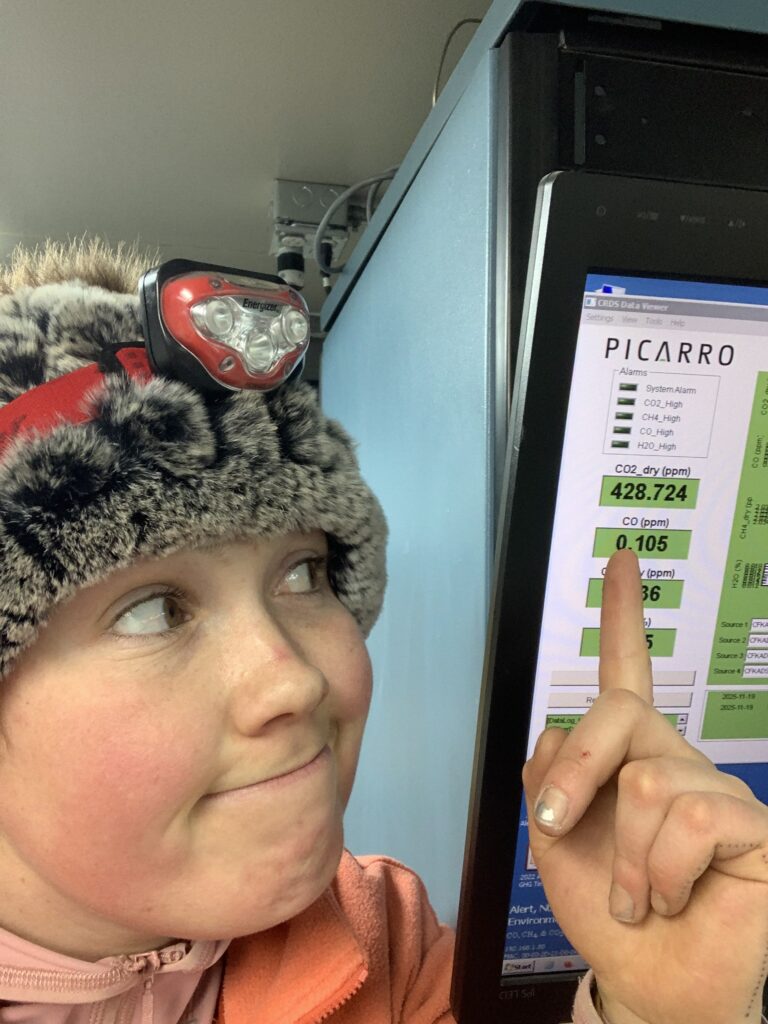
As concerns about climate change and global warming have increased over the past few decades, greenhouse gases (GHGs) have acquired somewhat of a negative reputation. While it’s true that excessive amounts of GHGs can be harmful, they are also essential to a stable climate, and given their ability to regulate Earth’s energy balance1, are one of the main reasons we (humans) can live here!
Greenhouse gases such as carbon dioxide, methane, and nitrous oxides absorb radiation emitted from Earth’s surface. When the atmosphere contains too few GHGs, more radiation escapes than is retained, leading to cooling events — including conditions that have previously triggered ice ages. When GHG concentrations become too high, however, the opposite occurs: more energy is trapped than released, driving global warming, as we are experiencing today (Dilmore & Zhang, 2017).
Although GHGs occur naturally, they are also released through various human and environmental processes. The largest human source is the burning of fossil fuels, but other contributors include thawing permafrost and livestock agriculture — both of which are major sources of methane. The rapid increase in these emissions over the past few decades is the primary reason our atmosphere now holds a surplus of these heat-trapping gases.
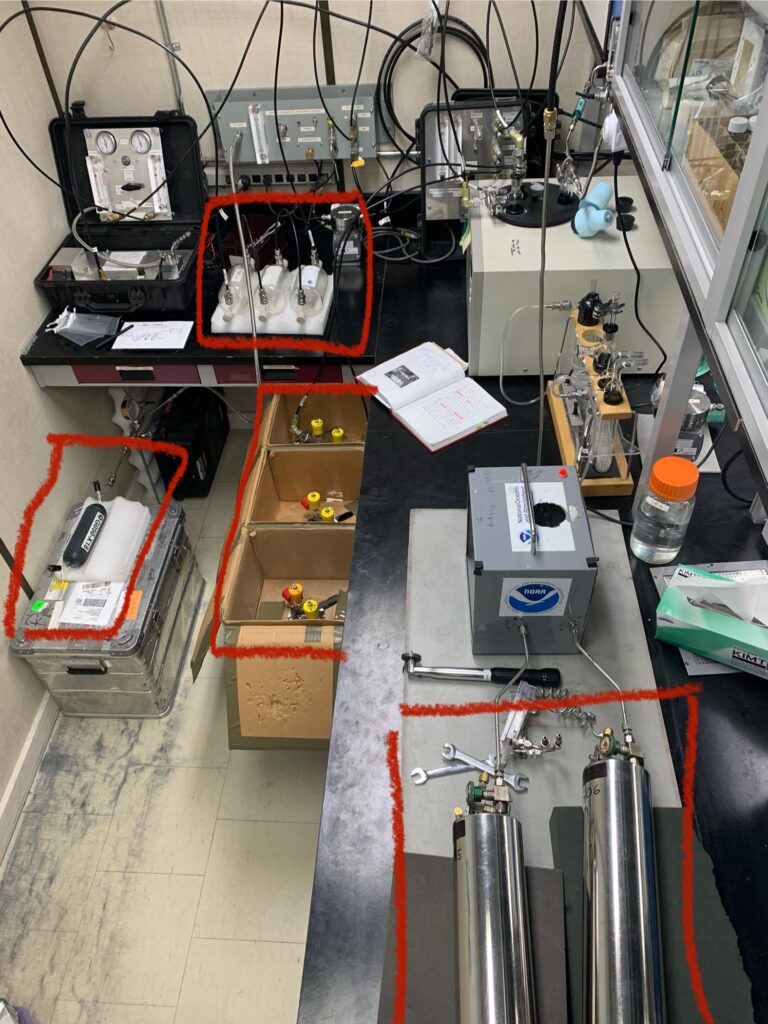
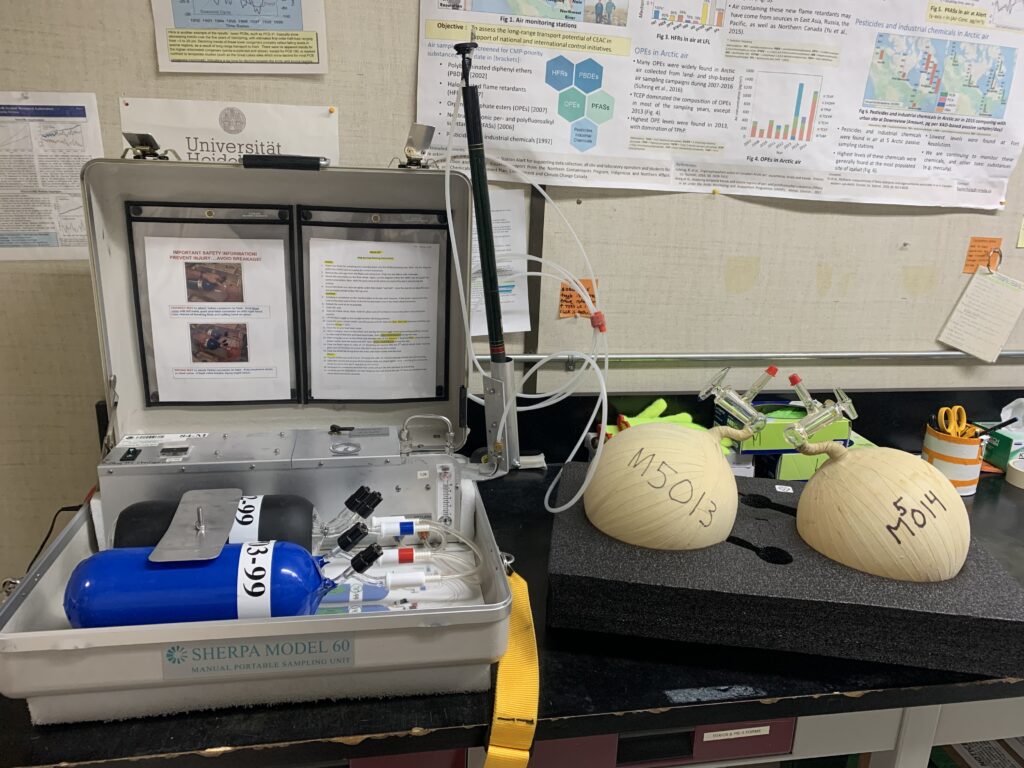
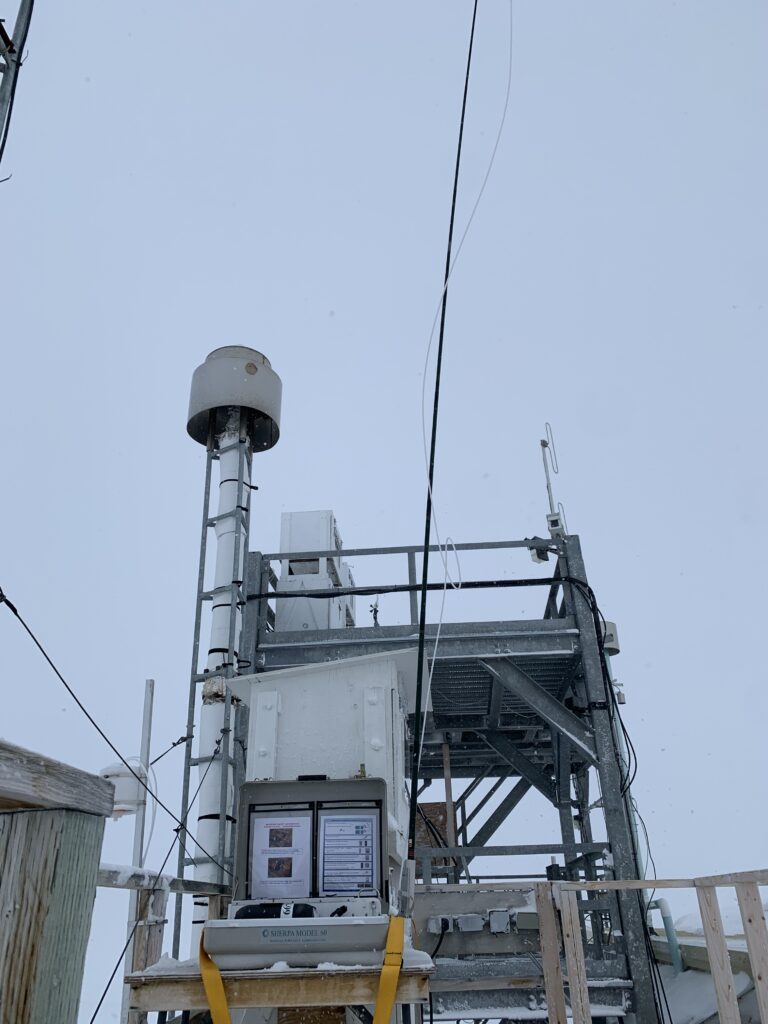
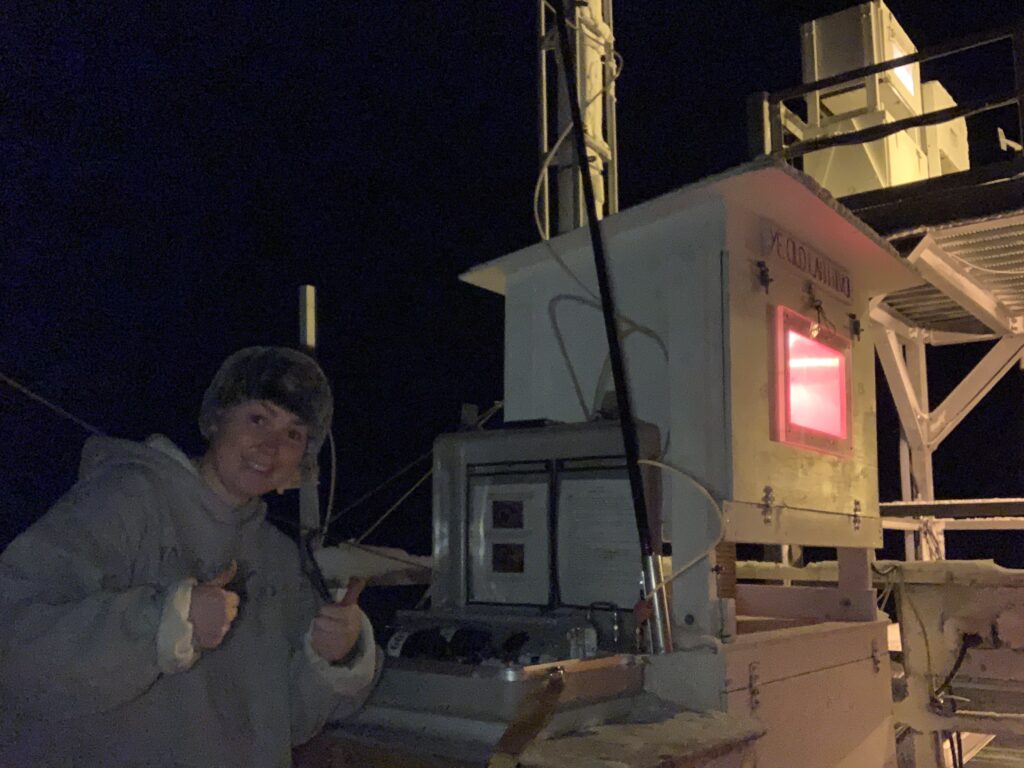
Here in Alert, we collect greenhouse gas (GHG) samples on a weekly basis. These samples are captured using flasks (see pictures above) and are independently analyzed by seven different scientific institutions, including NOAA, CSIRO, and the Max Planck Institute. This multi-institutional approach ensures the accuracy, credibility, and consistency of the data (Worthy et al., 2023).
The GHG sampling conducted in Alert is part of a larger, long-term international program that spans across all of the GAW labs (see previous post for lab locations). By analyzing GHG samples from 26 sites worldwide, scientists gain a clearer understanding of global GHG concentrations and their trends since the program’s beginning in the early 1990s.
As with many other programs at the GAW lab, the results of this GHG sampling initiative play a crucial role in informing climate policy. The long-term, comprehensive dataset generated by these labs provides policymakers with a valuable tool for making informed decisions on issues like emission standards and climate action.